For businesses, packaging is more than just a way to hold and transport a product. It plays an important role in how customers perceive a brand and can influence purchasing decisions. While manufacturers often focus on product quality, design, and functionality, the environmental impact of packaging materials also deserves attention.
Traditional packaging materials can contribute to waste and pollution, particularly when they are difficult to recycle or take years to break down. As consumers become more aware of environmental issues, businesses are looking for better ways to package their products without compromising appearance or functionality. This is where eco-friendly boxes can make a meaningful difference.
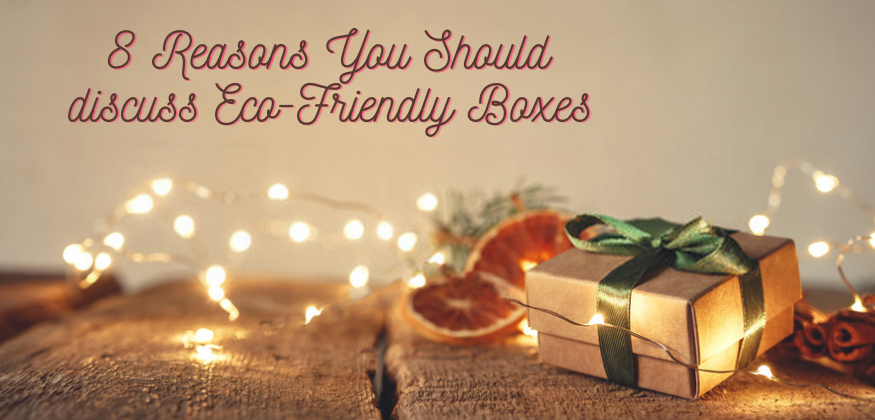
From biodegradable materials to recyclable packaging solutions, sustainable boxes allow brands to reduce unnecessary waste while creating attractive packaging for their products. Here are eight important reasons to consider eco-friendly boxes for your business.
1. Innovative Packaging Solutions
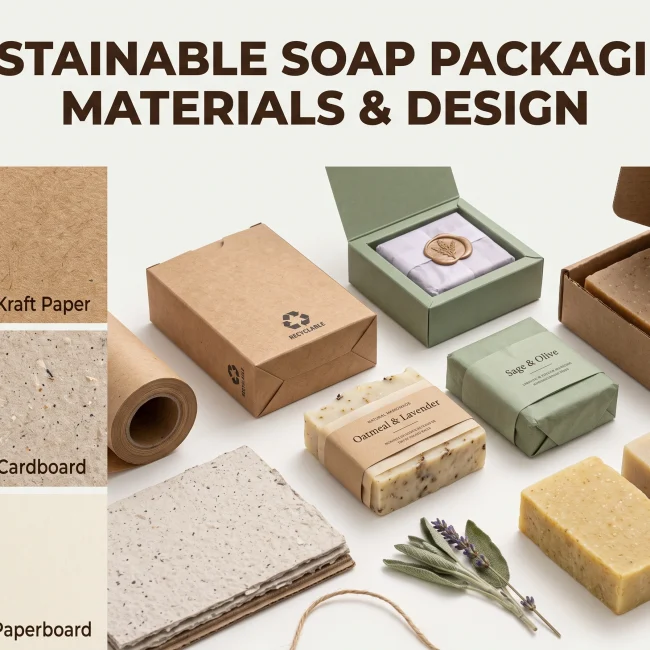
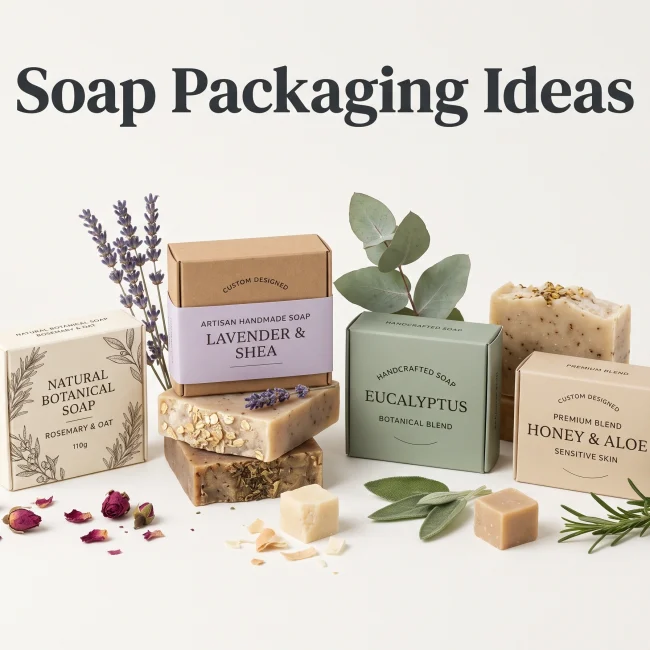
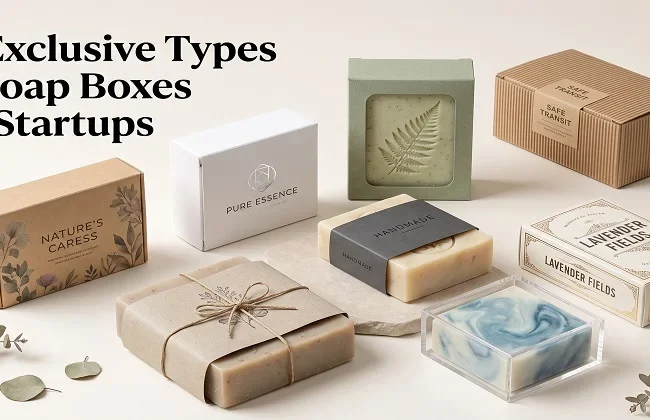
One of the main reasons to consider eco-friendly boxes is the opportunity to combine sustainability with creative packaging design. Modern sustainable packaging does not have to look plain or basic. Businesses can choose from different box styles, sizes, shapes, printing options, and finishing techniques to create packaging that reflects their brand identity.
At PackagingXpert.com, businesses can explore sustainable packaging options designed around their specific product requirements. Whether you need packaging for retail products, food items, cosmetics, or other goods, customized designs can help create a more memorable unboxing experience while supporting environmentally responsible packaging practices.
2. Biodegradable Packaging Materials
Biodegradability is one of the key benefits associated with many eco-friendly packaging options. Certain sustainable materials can naturally break down over time under suitable environmental conditions, reducing the amount of long-lasting waste left behind.
Unlike some conventional packaging materials that may remain in the environment for extended periods, biodegradable packaging is designed to have a lower environmental impact at the end of its useful life. Choosing suitable biodegradable packaging boxes can therefore help businesses move toward more responsible packaging practices.
However, it is important to select packaging materials based on their actual composition and disposal requirements, as not every product labeled as sustainable has the same environmental benefits.
3. Reduce Packaging Waste
Excessive packaging waste is a growing concern for businesses and consumers alike. Using appropriately sized custom boxes can help reduce unnecessary material usage and minimize packaging waste.
Custom eco-friendly boxes can be manufactured according to the dimensions of a particular product. This approach can help businesses avoid relying on oversized packaging that requires additional filling materials. When packaging is designed efficiently, companies can potentially use fewer resources throughout production, storage, and transportation.
Reducing unnecessary packaging is a practical step toward building a more sustainable packaging strategy.
4. Help Reduce Environmental Pollution
Packaging waste can contribute to environmental pollution when it is improperly disposed of or cannot be efficiently recycled. Choosing recyclable, biodegradable, or responsibly sourced packaging materials can help businesses reduce their dependence on packaging options with a higher environmental burden.
Eco-friendly boxes can support a more responsible approach by using materials that are better suited to recycling or other appropriate end-of-life options. While packaging alone cannot solve environmental pollution, making better material choices can be one part of a broader sustainability strategy.
5. Support Recycling and Reuse
Many paper-based and cardboard packaging materials can be recycled when they are collected and processed through appropriate recycling systems. Some packaging can also be reused before reaching the end of its useful life.
This makes recyclable packaging boxes a practical option for businesses that want to reduce waste. Customers may also find additional uses for sturdy boxes, such as storage or organization, extending the functional life of the packaging.
By considering recyclability and reuse during the packaging design process, brands can make more thoughtful choices about the materials they place into the market.
6. Meet Growing Consumer Expectations
Today’s consumers are paying greater attention to how products are made, packaged, and delivered. Many shoppers prefer brands that demonstrate responsible business practices and take environmental concerns seriously.
Using eco-friendly boxes can help businesses communicate their commitment to more sustainable packaging choices. When paired with clear and honest messaging, environmentally conscious packaging can strengthen a brand’s connection with customers who value sustainability.
Businesses should avoid making exaggerated environmental claims. Instead, they should clearly explain what makes their packaging sustainable, such as its recyclable material, recycled content, or responsible sourcing.
For example, a food brand may consider custom food boxes made with suitable recyclable or responsibly sourced materials to create packaging that aligns with both product requirements and sustainability goals.
7. Strengthen Your Brand Image
Packaging is often one of the first physical touchpoints between a customer and a brand. A thoughtfully designed box can create a strong first impression and reinforce a company’s values.
Custom eco-friendly boxes allow businesses to combine sustainable materials with professional branding. Logos, colors, graphics, and other design elements can be incorporated into the packaging to create a consistent brand experience.
When customers see that a business has considered both presentation and environmental responsibility, it can help build a positive perception of the brand.
8. Build a More Sustainable Packaging Strategy
Choosing eco-friendly boxes is not simply about following a packaging trend. It can be part of a long-term strategy for businesses that want to reduce unnecessary material use and make more responsible packaging decisions.
From selecting recyclable materials to reducing excess packaging and optimizing box sizes, companies can take several steps toward improving their overall packaging approach. Sustainable packaging can also encourage businesses to review other parts of their operations, including sourcing, manufacturing, shipping, and waste management.
The key is to choose packaging solutions based on the specific product, supply chain, and available disposal or recycling infrastructure.
Make a Better Packaging Choice
The shift toward sustainable packaging is creating new opportunities for businesses to rethink how they package and present their products. Eco-friendly boxes can offer a combination of attractive design, practical functionality, and more responsible material choices.
From biodegradable and recyclable materials to custom sizing and branded printing, businesses have multiple ways to improve their packaging strategy. By reducing unnecessary waste, considering the full packaging lifecycle, and selecting materials carefully, brands can take meaningful steps toward more sustainable packaging.
If your business is looking for custom packaging, choosing the right material and box style is an important starting point. With the right approach, eco-friendly packaging can help you create a professional customer experience while supporting your broader sustainability goals.