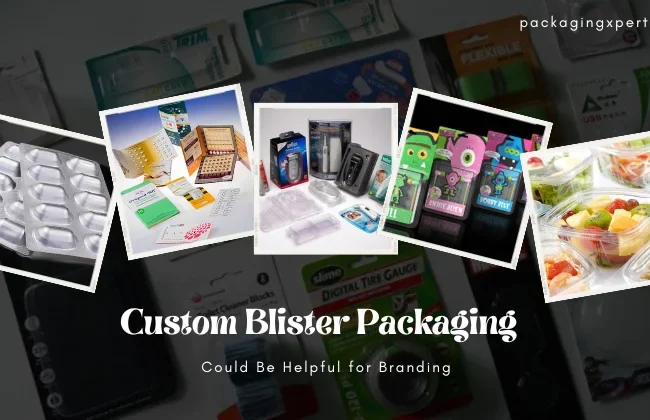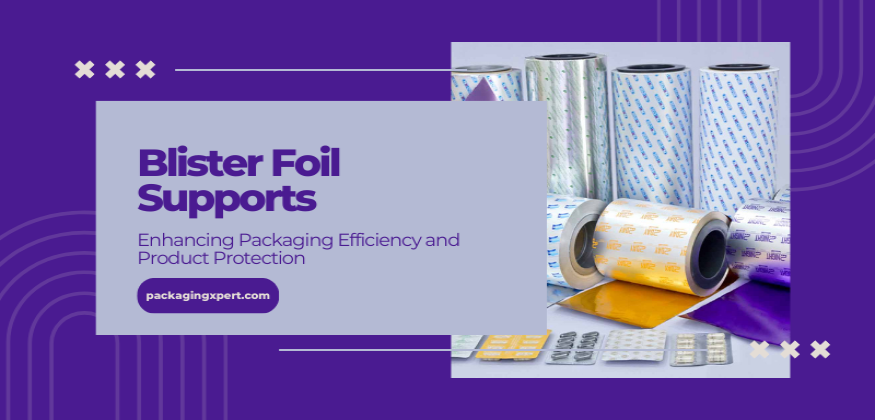
Product packaging plays a critical role in preserving quality, ensuring safety, and building customer confidence. Whether it’s pharmaceutical tablets, dietary supplements, food products, or consumer goods, manufacturers need packaging materials that offer exceptional protection without compromising convenience.
Blister foil is commonly recognized for its excellent barrier properties, tamper-evident design, and ability to extend product shelf life. It creates a secure seal that protects sensitive products from moisture, oxygen, light, and contamination. As industries continue to prioritize product integrity and operational efficiency, blister foil remains one of the most reliable packaging solutions available.
What Is Blister Foil?
Blister foil is a specialized packaging material used as the backing layer in blister packs. It is commonly paired with a thermoformed or cold-formed plastic cavity that securely holds individual products. Once sealed, the foil creates an airtight barrier that protects the contents until they are ready for use. Blister foil is most commonly associated with pharmaceutical packaging, where it is used for tablets, capsules, and medical devices.
Unlike conventional packaging materials, blister foil provides individual compartment protection. This minimizes product exposure after opening, helping maintain freshness and reducing the risk of contamination. The result is a packaging solution that enhances both product safety and consumer convenience.
How Blister Foil Works?
Blister packaging consists of two primary components that work together to protect the product.
The first component is a transparent plastic cavity that securely holds each item in place. The second is the blister foil, which is heat-sealed to the plastic, creating a strong and reliable barrier around every individual product.
When consumers need to access the product, they simply push it through the foil backing. This “push-through” design is especially valuable in pharmaceutical packaging because it allows patients to remove one dose at a time. The sealed construction also prevents environmental factors such as humidity, air, bacteria, and UV light from affecting product quality during storage and transportation.
Materials Used in Blister Foil
Blister foil is manufactured using high-performance materials that deliver strength, durability, and superior barrier protection. The exact composition depends on the product’s sensitivity and packaging requirements.
Aluminum Foil
Aluminum is the most widely used material in blister foil because it offers an excellent barrier against moisture, oxygen, light, and odors. It helps preserve the effectiveness of pharmaceutical products. It is also helpful in extending shelf life for food and nutritional supplements.
Heat-Seal Coating
A specially formulated heat-seal coating is applied to one side of the foil. During production, this coating bonds securely with plastic materials such as PVC or PVDC, ensuring a leak-proof and tamper-resistant seal.
Protective Primers and Lacquers
Many blister foils include protective primers and printable lacquers that improve durability and print quality. These coatings allow manufacturers to include important information such as dosage instructions, expiration dates, batch numbers, branding, and regulatory markings directly on the packaging.
Types of Blister Foil
Different industries require different levels of protection. Choosing the appropriate blister foil depends on product sensitivity, storage conditions, and regulatory requirements.
Printed Blister Foil
Printed blister foil combines product protection with branding and regulatory compliance. Manufacturers can print logos, product names, dosage information, safety warnings, barcodes, and batch details directly onto the foil, improving both product identification and customer trust.
Plain Blister Foil
Plain blister foil is ideal for applications where branding is handled through secondary packaging. It offers the same protective barrier while providing a clean and cost-effective solution for high-volume production.
Pharmaceutical Blister Foil
Designed specifically for the healthcare industry, pharmaceutical blister foil meets strict quality and safety standards. It provides outstanding protection against moisture and oxygen, helping preserve the stability and effectiveness of medications throughout their intended shelf life.
High-Barrier Blister Foil
For products that are highly sensitive to environmental conditions, high-barrier blister foil offers enhanced protection against moisture, oxygen, and light. This option is commonly used for specialty medicines, probiotics, diagnostic products, and premium nutritional supplements.
Key Features That Make Blister Foil an Industry Standard
Blister foil continues to be the preferred packaging solution across multiple industries because it combines product protection with manufacturing efficiency and consumer convenience.
Exceptional Barrier Protection
One of the greatest advantages of blister foil is its ability to block moisture, oxygen, UV light, and contaminants. This protection helps preserve product quality, maintain potency, and reduce spoilage throughout storage and distribution.
Tamper-Evident Security
Blister foil provides visible evidence if packaging has been opened or altered. This tamper-evident feature enhances consumer safety.
Extended Shelf Life
By creating a secure barrier against environmental exposure, blister foil helps products retain their quality for longer periods. This reduces waste, minimizes product returns, and improves inventory management across the supply chain.
Lightweight But Durable
Despite its thin construction, blister foil offers impressive mechanical strength. It resists punctures and damage during shipping and handling.
Benefits of Blister Foil for Manufacturers and Consumers
Blister foil offers advantages that go beyond basic product protection. It improves manufacturing efficiency, supports regulatory compliance, and enhances the overall customer experience. These benefits have made it one of the most trusted packaging materials across pharmaceutical, food, and consumer goods industries.
- Higher Product Protection
- Improved Packaging Efficiency
- Enhanced Consumer Convenience
- Supports Regulatory Compliance
- Cost-Effective Packaging Solution
Common Applications of Blister Foil
Blister foil is a versatile packaging material used across a wide range of industries. Its ability to protect individual products.
Pharmaceutical Industry
The pharmaceutical sector is the largest user of blister foil. Tablets, capsules, lozenges, syringes, diagnostic kits, and medical devices are commonly packaged in blister packs to maintain product integrity and ensure patient safety.
Food and Nutraceutical Industry
Blister foil is widely used for packaging products such as:
- Vitamins and dietary supplements
- Chewing gum and mints
- Nutritional tablets
- Instant beverage tablets
- Functional foods
Its strong barrier properties help maintain freshness.
Consumer Products
Many everyday retail products benefit from blister packaging because it combines visibility with protection. Common examples are:
- Batteries
- Small electronic accessories
- Razors
- Hardware components
- Stationery items
- Personal care products
The clear plastic front display the product, and the foil backing provides secure protection until purchase and use.
Cosmetic and Personal Care Products
Blister foil is increasingly used for cosmetic samples, beauty treatments, and premium personal care products. Individual packaging improves hygiene and preserving sensitive formulations from exposure to air and light.
How Blister Foil Is Manufactured?
Producing high-quality blister foil requires precision engineering and strict quality control to ensure consistent performance.
The process starts with premium-grade aluminum foil, which is cleaned and prepared for coating. A specialized heat-seal lacquer is then applied to one side of the foil, allowing it to bond securely with plastic blister cavities during packaging.
Depending on the application, protective primers and printable coatings are added to improve durability, print clarity, and resistance to abrasion. The finished foil is then printed with product information, inspected for quality, and wound into rolls for use on automated packaging equipment.
Sustainability in Modern Blister Foil Packaging
As sustainability becomes a growing priority, packaging manufacturers continue to develop blister foil solutions with improved environmental performance.
Many companies are working to reduce material consumption, increase the use of recyclable components, and optimize production processes. It helps to lower energy usage and manufacturing waste. Lightweight blister packaging also contributes to more efficient transportation by reducing overall package weight.
How to Choose the Right Blister Foil for Your Products?
Selecting the right blister foil is essential for maintaining product quality, meeting industry regulations, and optimizing packaging performance. Since every product has unique packaging requirements, manufacturers should evaluate several factors before making a decision.
Understand Your Product’s Sensitivity
Understanding your product’s sensitivity helps determine the appropriate barrier level and foil specification.
Consider Storage and Distribution Conditions
Choosing a blister foil with excellent sealing performance and high barrier properties helps protect products throughout the supply chain.
Evaluate Printing and Branding Requirements
Clear, professional printing enhances brand recognition. It is also supporting compliance with industry labeling requirements.
Future Trends in Blister Foil Packaging
Packaging technology continues to evolve as manufacturers seek solutions that improve efficiency, sustainability, and customer experience. Several trends are shaping the future of blister foil packaging:
- Sustainable Packaging Materials
- Smart Packaging Technologies
- Advanced Barrier Technologies
- High-Quality Custom Printing
Wrapping Up
Blister foil has become an indispensable packaging solution for businesses that prioritize product protection, operational efficiency, and customer confidence. Its outstanding barrier properties, tamper-evident security, durability, and compatibility with automated packaging systems make it an ideal choice for pharmaceutical, food, healthcare, and consumer product manufacturers.
Beyond protecting products, blister foil supports regulatory compliance, enhances brand presentation, and improves the overall consumer experience. As packaging technologies continue to evolve, businesses that invest in high-quality blister packaging will be better positioned to meet market demands while maintaining product integrity.