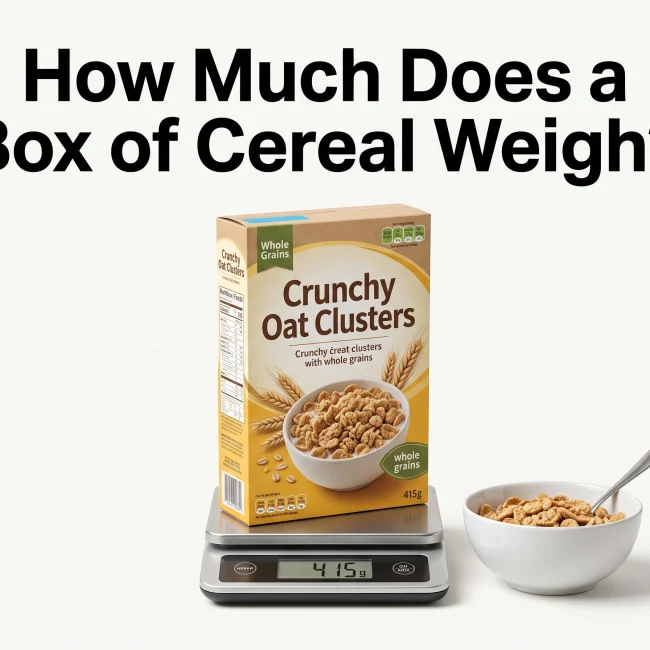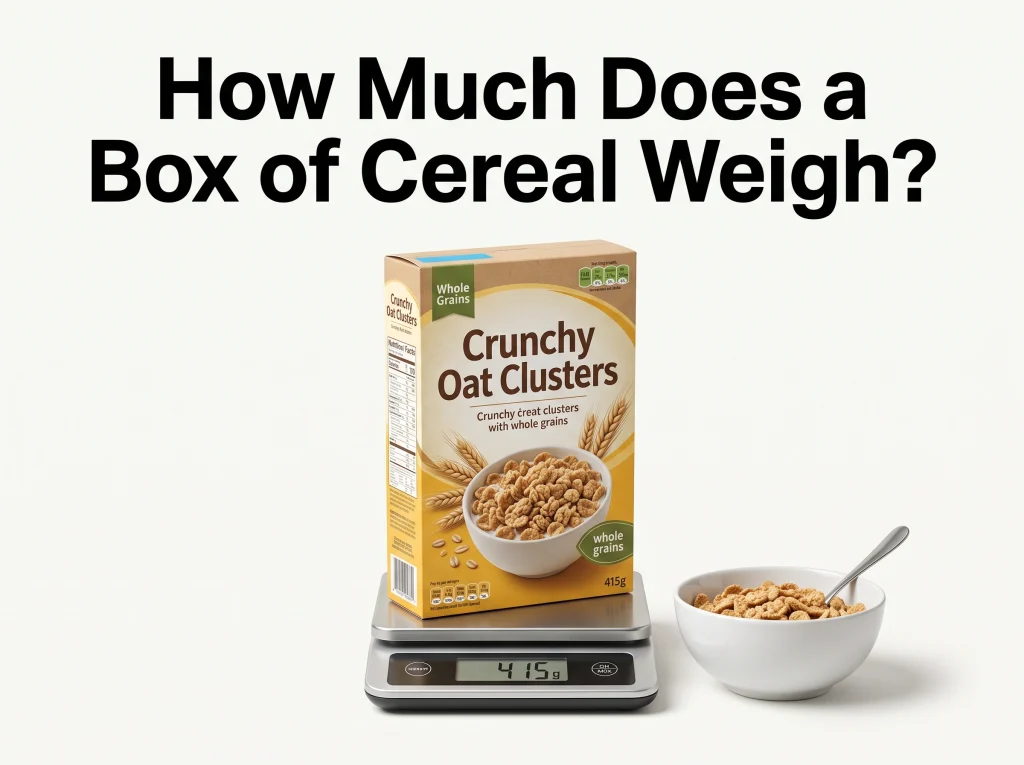
Before diving into cereal box sizes and dimensions, it’s essential to understand a fundamental question: How much does a box of cereal weigh? Although cereal boxes may look similar on store shelves, their actual weight varies depending on the cereal type, package size, and packaging materials. Knowing the average weight can help consumers make informed purchases. It is also helping manufacturers, retailers, and shipping companies calculate storage, transportation, and packaging requirements more accurately.
At PackagingXpert, we specialize in manufacturing premium custom cereal boxes that combine durability, product protection, and eye-catching branding. This guide explains everything you need to know about cereal box weight in ounces, pounds, and grams, along with the factors that influence it.
Average Weight of a Box of Cereal
A standard cereal box generally weighs between 12 and 18 ounces (340 to 510 grams), including both the cereal and its packaging. However, there is no universal weight because every cereal brand packages its products differently. The weight depends on the amount of cereal inside the box, the density of the cereal, and the size of the packaging.
Smaller cereal boxes commonly contain between 8 and 10 ounces (225 to 285 grams) of cereal, making them ideal for individual servings or travel packs. Standard retail boxes usually hold 12 to 18 ounces, while larger family-size packages can contain 20 to 24 ounces (570 to 680 grams) or even more.
It’s also important to understand the difference between net weight and gross weight. The net weight printed on a cereal box refers only to the cereal inside the package. The gross weight includes the cereal, the paperboard box, the inner plastic bag, and other packaging materials used to protect the product.
How Much Does a Box of Cereal Weigh in Ounces?
In the United States, cereal weight is typically measured in ounces. Most cereal brands offer products in a range of sizes to meet different customer needs.
Small cereal boxes generally weigh between 8 and 10 ounces, making them suitable for children, sample packs, or single-person households. Standard grocery-store cereal boxes usually contain 12 to 18 ounces, which is the most common package size found on supermarket shelves. Larger boxes often weigh around 18 to 20 ounces, while family-size packages can exceed 24 ounces.
How Much Does a Box of Cereal Weigh in Pounds?
For shipping, warehousing, and logistics, cereal box weight is often calculated in pounds rather than ounces. A typical cereal box weighs approximately 0.75 to 1.25 pounds, including both the cereal and its packaging. Smaller boxes generally weigh around half a pound, while standard boxes are close to three-quarters of a pound.
This information is especially valuable for manufacturers and retailers that distribute cereal in bulk. Even a small reduction in package weight can lower shipping costs across thousands of units, making packaging efficiency an important part of supply chain management.
How Much Does a Box of Cereal Weigh in Grams?
Many countries display cereal weight in grams rather than ounces. On average, a regular cereal box weighs between 340 and 510 grams, including the product and packaging.
Smaller boxes typically weigh 225 to 285 grams, while larger family-size packages can weigh 680 grams or more. The exact weight varies depending on the ingredients, serving quantity, and packaging design.
Premium cereals containing nuts, seeds, dried fruits, or protein-rich ingredients are often heavier than traditional breakfast cereals because these ingredients have a higher density. Manufacturers consider these differences carefully when selecting the appropriate box size and packaging material.
What Factors Affect the Weight of a Cereal Box?

The weight of a cereal box is determined by much more than the amount of cereal it contains. Several factors influence the final package weight before it reaches store shelves.
Type of Cereal
Different cereals have different densities. Light cereals such as corn flakes, puffed rice, and wheat flakes occupy more space while weighing less. Dense cereals like granola, oat clusters, protein blends, and cereals with nuts or dried fruits pack more weight into the same amount of space.
Package Size
The size of the box directly affects its weight. Family-size cereal boxes contain significantly more product than regular boxes, making them heavier. Manufacturers choose different box sizes based on consumer demand, serving requirements, and retail pricing.
Packaging Materials
Although the cereal itself makes up most of the package weight, the packaging also contributes. A typical cereal package includes a paperboard carton, a food-grade plastic liner that preserves freshness, adhesives, printed labels, and protective coatings. Premium custom cereal boxes may also feature thicker paperboard, specialty finishes, or reinforced construction, adding slightly to the overall weight while improving durability and shelf appeal.
Moisture and Ingredients
The ingredients used in the cereal can also influence its weight. Cereals containing dried fruits, nuts, chocolate pieces, or natural sweeteners are generally heavier than plain flake cereals. Slight variations in moisture content during production can also create small differences in the final packaged weight.
Understanding these factors helps manufacturers choose the right packaging specifications. For brands looking to create custom cereal packaging, balancing product weight with strong, lightweight packaging is essential.
Why Does the Weight of a Cereal Box Matter?
The weight of a cereal box may seem like a minor detail, but it plays a significant role throughout the product’s lifecycle. Accurate weight measurements help businesses improve efficiency. It also ensure a better consumer experience.
Shipping and Transportation Costs
Shipping expenses are largely determined by the weight and dimensions of a packaging. Even a slight increase in package weight can lead to higher transportation costs when thousands of cereal boxes are shipped across the country.
Manufacturers often look for lightweight yet durable packaging materials that protect the cereal. Well-designed custom cereal boxes help reduce shipping expenses without compromising product safety during transit.
Inventory and Warehouse Management
Accurate product weight also simplifies warehouse operations. Distribution centers rely on weight specifications to organize storage, calculate pallet loads, and ensure safe stacking during transportation.
Knowing the exact weight of each cereal box helps warehouse staff optimize storage space. They also reduce the risk of damaged products caused by overloaded shelves or pallets.
Retail Shelf Planning
Retailers carefully arrange products to maximize shelf space and improve customer convenience. The weight and size of cereal boxes influence how products are displayed, stocked, and replenished. Heavier family-size boxes are often placed on lower shelves for stability. Proper weight distribution also helps prevent shelves from becoming overloaded.
Choosing the Right Packaging
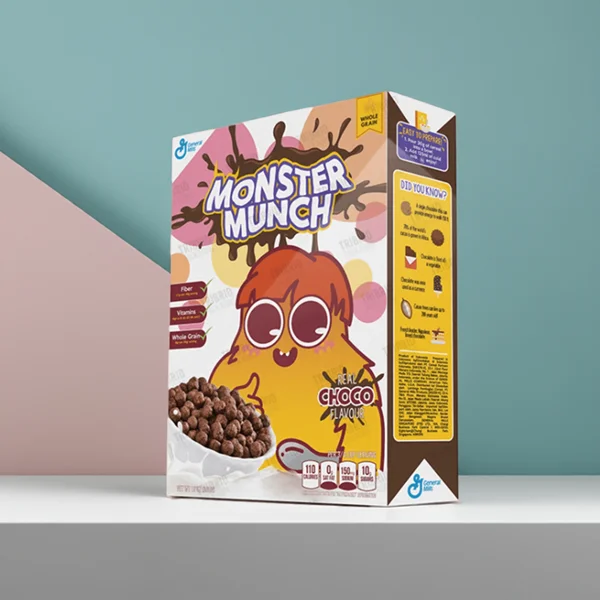
For cereal brands, package weight directly influences packaging design. The box must be strong enough to protect the product without adding unnecessary weight or material costs. Packaging manufacturers consider several factors, including product density, box strength, stacking requirements, and transportation conditions before selecting the appropriate packaging structure.
At PackagingXpert, every cereal box is designed to provide maximum product protection. It also maintains an attractive appearance that enhances brand visibility on retail shelves.
What Is Inside a Cereal Box?
Most consumers only notice the colorful outer box, but a cereal package consists of several components working together to keep the product fresh and protected.
The Cereal
The largest portion of the package weight comes from the cereal itself. Depending on the recipe, cereals may contain grains, oats, corn, rice, nuts, dried fruits, seeds, chocolate pieces, or protein ingredients.
Food-Grade Plastic Liner
Inside every cereal box is a sealed plastic bag designed to preserve freshness and prevent moisture from entering the package. This liner also protects the cereal from contamination during transportation and storage. Although the plastic liner adds very little weight, it plays a critical role in maintaining product quality throughout its shelf life.
Paperboard Carton
The outer carton provides structural support and serves as the primary branding surface. It protects the inner bag from crushing while displaying nutritional information, ingredients, branding, and marketing graphics. Modern cereal boxes are manufactured using lightweight yet durable paperboard that balances strength with sustainability.
Standard Dimensions of a Cereal Box
Cereal box may weights vary, their dimensions are often standardized to simplify manufacturing, shelving, shipping, and storage.
Most standard cereal boxes are approximately 12 inches tall, 7.5 inches wide, and 2 inches deep. However, manufacturers produce different sizes depending on product quantity and target market.
Small cereal boxes are commonly used for promotional products, children’s cereals, hotel breakfasts, airline meals, and single-serving packages.
Regular cereal boxes remain the most popular choice for supermarkets because they offer an ideal balance between storage efficiency and shelf visibility.
Family-size cereal boxes are designed for larger households and provide better value by holding more servings in a single package.
Read Also: How Tall Is A Box Of Cereal?
How to Choose the Right Cereal Box Size for Your Brand?
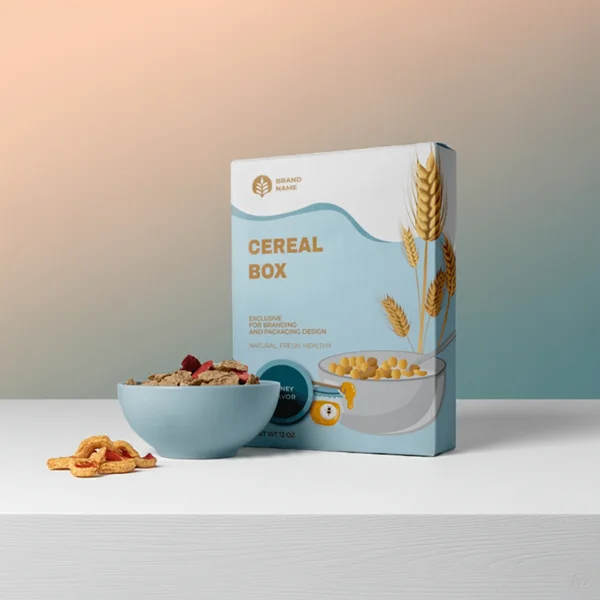
Selecting the right cereal box involves much more than choosing an attractive design. The packaging should protect the product, reduce shipping costs, improve shelf presence, and strengthen your brand identity. Here are several important factors every cereal manufacturer should consider.
Understand Your Product Density
Not all cereals occupy the same amount of space. Lightweight cereals such as corn flakes require larger boxes because they contain more air. Dense cereals like granola and muesli fit comfortably into more compact packaging.
It is important to understand your product density to ensure that package looks full without wasting unnecessary space.
Select the Appropriate Box Capacity
The box should comfortably accommodate the cereal. They should leave enough room to prevent crushing during filling and transportation. Oversized boxes increase material costs and may disappoint customers, while undersized boxes can damage the product during packaging and shipping.
Consider Retail Shelf Appeal
Packaging serves as a silent salesperson. A well-designed cereal box immediately captures customer attention and communicates your brand values. Choosing the right size helps create an organized appearance on retail shelves.
Highlight Shipping Proficiency
Large packaging may improve shelf presence, but it also increases storage and transportation expenses. Finding the right balance between visual impact and shipping efficiency can significantly reduce long-term operational costs.
Invest in Custom Packaging
Custom cereal boxes allow brands to stand out in a highly competitive market. Unique structural designs, premium finishes, vibrant printing, embossing, foil stamping, and eco-friendly materials all contribute to a memorable customer experience. At PackagingXpert, we create fully customized cereal packaging according to your product dimensions, branding requirements, and business goals.
Wrapping Up
The weight of a cereal box may seem like a small detail, but it has a significant impact on packaging design, transportation, retail merchandising, and customer satisfaction. On average, a standard cereal box weighs 12 to 18 ounces (340 to 510 grams), although the exact weight varies depending on the cereal type, serving quantity, and package size.
If you’re developing a new cereal brand or upgrading your existing packaging, selecting the right box size and structure is just as important as the product inside. A well-designed cereal box not only protects your product but also enhances brand recognition, improves the customer experience, and creates a stronger presence on retail shelves.