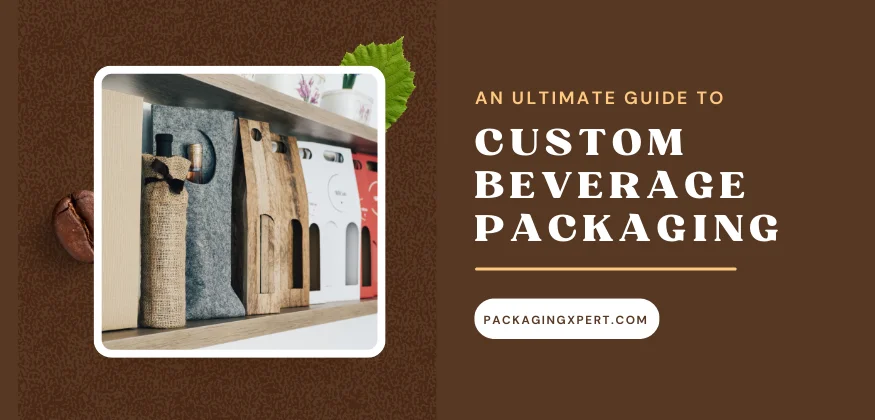
The beverage industry is known as the most competitive sector of the food and beverage industry. Hundreds of products are competing to grab consumers’ attention in retail and online stores. Here, custom beverage packaging plays a crucial role in shaping consumer awareness.
Custom beverage packaging is not a simple container. It communicates brand unique identity, protects the product and shares important product-related information. It also influences purchasing decisions. Well-designed custom packaging can engage new visitors, strengthen brand loyalty and create a memorable experience. Custom packaging encourages repeat purchase.
In this guide, let’s explore the significant elements of custom drink packaging. It helps in exploring how businesses can choose the right beverage packaging solutions for long-term success.
Why Custom Beverage Packaging Is Important?
Packaging is the foremost interaction of customers with a beverage product. Before tasting the drink, consumers evaluate the labelling, design and overall product presentation. Effective Custom Beverage Packaging serves various purposes:
- Protects the beverage from contamination, light, and oxygen
- Extends shelf life and maintains freshness
- Communicates product details such as ingredients and nutrition facts
- Strengthens brand recognition and credibility
- Encourages impulse purchases through visual appeal
Packaging is the most powerful marketing tool when done properly. It allows brands to share their stories, values and product quality directly to consumers. Beverage startups and established brands make investments in well-designed packaging to build trust and stand out from the crowd.
Common Types of Beverage Packaging
Choosing the right packaging type depends on the type of beverage, target audience, and sustainability goals. Here are some of the mostly used beverage packaging options:
Glass Bottles
Glass bottles are usually used for premium beverages such as juices, sparkling drinks and craft beverages. They offer an outstanding protection against flavor contamination and maintain the integrity of product taste.
Glass packaging also attracts eco-conscious consumers because it is fully recyclable. Such packaging materials are more fragile compared to others.
Aluminum Cans
Aluminum cans are highly popular for carbonated beverages, energy drinks and ready-to-drink coffee products. They are lightweight, fully recyclable and offer strong protection for light and oxygen. Moreover, aluminum cans also offer a large printable surface that enable brands to create eye-catching designs.
Plastic Bottles
Plastic bottles are known as the most cost-effective beverage packaging solutions. They’re lightweight, shatter-resistant and easier to ship. Due to all of these benefits, plastic bottles are widely used for sport drinks, juices, water and soft drinks. Sustainability concerns have encouraged brands to explore eco-friendly alternatives and recycled plastics.
Cartons
Carton packaging is commonly used for plant-based beverages, milk and shelf-stable drinks. These packages are manufactured from layered paperboard materials and designed to preserve freshness. Cartons also give strong branding opportunities because the flat surface offers more space for product messaging and illustrations.
Flexible Pouches
Flexible Standup-Pouches are nowadays becoming more popular for kid’s drinks, travel-friendly products and functional beverages. These pouches are portable, lightweight and efficient for shipping and storage.
Key Factors to Consider When Choosing Beverage Packaging Solutions
Choosing the right beverage packaging needs precise planning. Brands must check and highlight both technical requirements as well as marketing objectives.
Product Protection
Beverage packaging must protect the product from various environmental factors including heat, light and oxygen exposure. All of these elements can affect the carbonation, flavor and overall product quality. Packaging materials should be selected according to the beverage type and its storage requirements.
Durability and Transportation
Beverages usually travel long distances before reaching consumers. Packaging should withstand the shipping, handling and storage conditions without damage and leaks. Strong structural packaging design helps to maintain product integrity throughout the supply chain.
User Convenience
Consumers value quality packaging that is easy to open, pour and store. Resealable caps, ergonomic bottle shapes, and lightweight boxes enhance overall user experience. Convenient packaging also improves repeat purchases.
Brand Identity
Packaging design should smartly reflect the brand’s identity and target audience. Various elements, such as color palettes, typography and illustrations but align with brand message. Well-designed packaging can immediately communicate whether a beverage is organic, refreshing and energy-focused.
Innovations in Beverage Packaging
The beverage packaging industry is rapidly evolving as a brand with the adoption of new technologies and design approaches.
Smart Packaging Technology
Smart packaging is now becoming more common in modern beverage products. Technologies such as QR codes, NFC tags, and RFID labels enable brands to provide additional information through interactive experiences. Consumers can scan a QR code to know more about product sourcing, nutritional benefits and promotional campaigns.
Lightweight Packaging
Manufacturers use lighter packaging materials to minimize the transportation cost and environmental impact. Lightweight bottles and cans help to reduce the shipping cost while maintaining durability.
Digital Printing
Digital printing technology allow beverage brands to product customized packaging designs with shorter production runs. This flexibility is an ideal solution for seasonal campaigns, limited editions or regional marketing strategies.
Growing Demand for Sustainable Beverage Packaging
Sustainability is the main priority for both consumers as well as beverage manufacturers. A lot of customers actively seeking products that use eco-responsible packaging such as:
- Recyclable aluminum cans
- Biodegradable packaging materials
- Plant-based plastics
- Paper-based cartons
- Reduced plastic packaging designs
Sustainable packaging not just protects the environment but also improves brand reputation. Consumers mostly support the brands that demonstrate environmental responsibility.
Role of Progressive Packaging Equipment
Modern beverage production trusts heavily on the latest packaging machinery. An automated filing and sealing system improves efficiency, accuracy, and product consistency. High-performance packaging equipment offers several advantages:
- Faster production speeds
- Reduced human error
- Consistent sealing and product safety
- Ability to produce customized packaging shapes and sizes
Automation also enables manufacturers to scale operations and align with increasing market demand while maintaining high-quality standards.
Choosing the Right Beverage Packaging Supplier
Choosing a Reliable Packaging Supplier is important for businesses seeking consistent product quality and efficient production. Evaluating potential suppliers needs to consider the following factors:
- Industry experience and reputation
- Range of packaging materials and customization options
- Production capacity and turnaround time
- Compliance with food safety regulations
- Ability to support brand-specific design requirements
Working as an experienced packaging parent supports brands to avoid costly mistakes. It ensures that the final product meets both functional and marketing goals.
Wrapping Up
Custom beverage packaging plays an important role in the success of the latest beverage brands. Beyond protection, it serves as an important communication tool that delivers brand identity, product quality and brand values. Choosing the right materials to design visually appealing packaging and adopting sustainable practices
Businesses need to invest in a well-designed beverage packaging solution to enhance product visibility, build customer trust and create a strong competitive space in the marketplace.