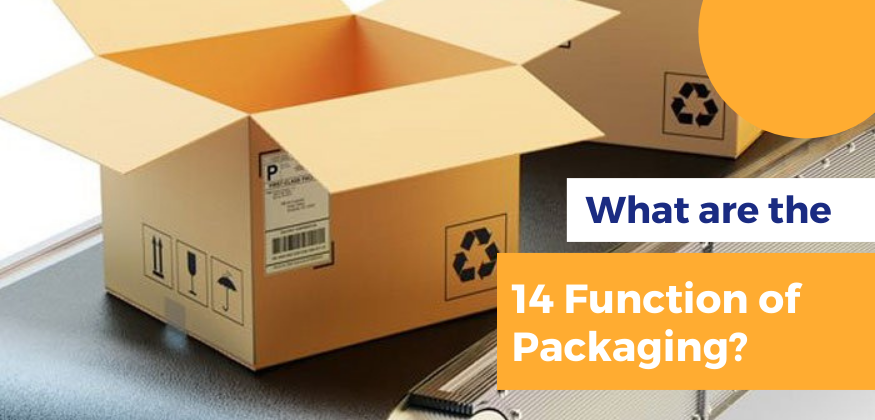
Packaging protects and preserves product. It communicates the brand and a key part of the business in terms of getting the product to the customer safely. You can go from very basic cardboard boxes right up to the most sophisticated printed boxes. The right packaging will itself contribute to product quality, customer satisfaction and business growth.
Understanding the role of packaging enables businesses to select the appropriate materials, design and the right structural features. The right packaging will improve the way it’s handled, will help with brand recognition and will enhance the customer experience.
In this guide, we look at the 14 major functions of packaging and explain how each one contributes to product safety, product distribution and marketing.
Why Is Packaging Important for Businesses?
Packaging links between manufacture and storage, transport, retail and the end consumer. It keeps things organized and enables the business to pass on information. It can also reduce product damage, assist with inventory control and improve shelf appeal.
Modern packaging is as much about performance as it is about design. The range of factors that are considered when developing a package solution is quite wide with material efficiency, recyclability, ease of opening and the provision of clear product information all being key considerations.
What Are the 14 Main Functions of Packaging?
1. Containing Products Securely
The first job of packaging is to contain the product in some appropriate form of enclosure. Boxes, bottles, pouches, jars and cartons all serve to keep the individual product in one place and prevent it from spilling or going missing.
The package structure should be appropriate to the size, weight, shape and physical characteristics of the product. Liquids will require a leak proof package, solids may require a robust carton or a fitted insert.
2. Carrying Products with Ease
Packaging makes the product easier to handle and to move from one place to another. The right design of boxes, handles and compact packs will assist both the operator and the customer in carrying the product.
Strong packaging will also keep the goods organized during handling thereby reducing the risk of them being dropped, scattered or damaged at any point in the supply chain.
3. Dispensing Products Conveniently
Some products are designed for repeated use rather than one-off consumption. The packaging will obviously be designed to make dispensing as easy as possible whilst at the same time protecting the remainder of the product.
Re-sealable pouches, pump bottles, flip-top caps and measured dispensers are all the sort of thing. They’re there to control the amount of product, reduce waste and of course maintain the convenience of the product once it’s been opened.
4. Preserving Product Quality
Packaging serves to preserve the product during storage and in transit. The degree to which it does this will vary according to the material and the design of the package, with the various forms of packaging being able to limit the product’s exposure to moisture, oxygen, light, dust and so on.
Food packaging can use appropriate barrier materials to maintain freshness and aroma. It has to be the right package for the product in order to achieve the desired effect.
5. Measuring and Communicating Quantity
Packaging enables the business to present the product in a consistent quantity. Different pack sizes are available so the customer can select the size that best fits their requirements and their budget.
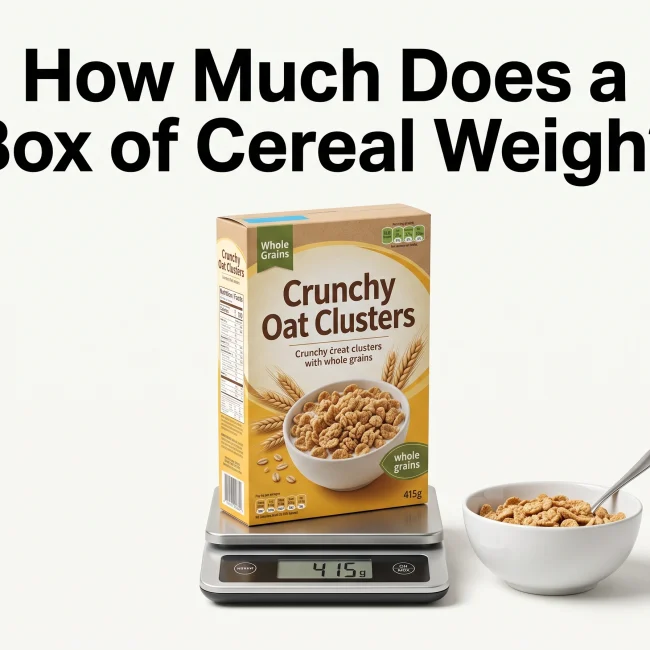
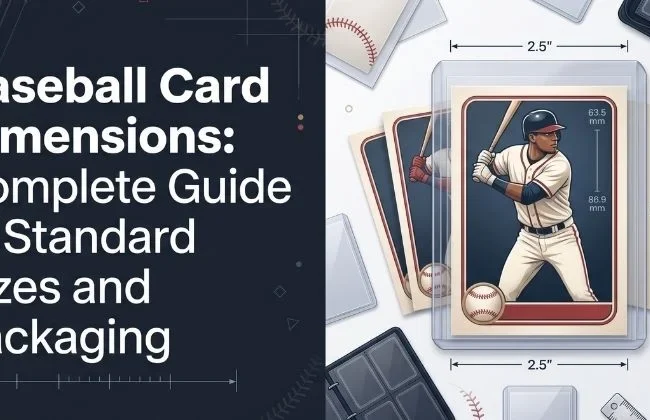
Clear net weight, volume, count and dimensions all help the customer to understand what they’re buying. Accurate quantity information is key to transparency and helps to maintain a consistent product offering.
6. Communicating Essential Information
Packaging is a direct line of communication between the business and the customer. The printed information on the package can be used to tell the customer what the product is, what it contains, how to use it, how to store it, any warnings and any handling instructions.
Logos, colors, typeface and all the other visual elements are part of the brand identity. The information on the label must be readable, accurate and relevant to the product and appropriate labelling regulations must of course be observed.
7. Displaying Products Attractively
An attractive package will help a product get noticed on the shelf, both in the shop and on the web. The right use of color, graphics, window cut-outs and finishes can all go a long way to improving visibility.
A good display also enables the customer to see the product prior to purchase. The right kind of presentation will be one that is visually attractive without compromising on the practicalities of the package, making it a package that is both attractive and easily identifiable.
8. Motivating Customers to Purchase
Packaging can have a huge impact on the decision to buy as it’s the first thing you see and it’s the first thing that communicates the value of the product. A good design, attractive graphics and clear messaging all help the consumer to compare products and to understand what the product is offering.
Honest product information and consistent branding can go a long way to build customer confidence and encourage repeat purchase.
9. Creating a Premium Appearance
Packaging can significantly increase a product’s perceived value through its look and finish. Embossing, debossing, foil stamping, textured paper and matte/gloss coatings are all examples of things that can give a product a more ‘finished’ look.
Luxury packaging should match the quality of the product and the brand. Good structural design and clean printing will generally make a far greater impact than any amount of gratuitous decoration.
10. Supporting Distribution and Logistics
Packaging aids the movement of goods through the warehouse, distribution center and delivery network. Standardized carton sizes will improve stacking, storage and space utilization.
Well-designed packaging also help in inventory control and order fulfilment. For an e-commerce business in appropriately sized shipping boxes and appropriate inserts will reduce movement within the package and therefore help to reduce transit damage.
11. Protecting Consumers and Products
Packaging provides a physical barrier to handling damage, dust, contamination and all the other sorts of external hazards. The degree of protection it offers will of course vary according to the product, the material, the storage conditions and the mode of transport.
Protective seals, tamper-evident closures, cushioning and secure inserts can all be used where appropriate to provide further protection. The package should also be designed to eliminate any unnecessary risk during opening, handling and use.
12. Preventing Tampering and Adulteration
Secure packaging helps to reduce the opportunities for tampering in the form of unauthorized access, product substitution or contamination. Tamper-evident seals, security labels, induction seals and protective closures all serve to make tampering easier to detect.
These are particularly important for products where authenticity and safety are key. Packaging can’t eliminate all risk but appropriate security features will go a long way to protect the product and maintain consumer confidence.
13. Maintaining Health and Hygiene
Packaging provides a clean environment by limiting the product’s exposure to external contaminants. Appropriate food packaging, sealed medical packs and protective wraps all serve to maintain hygiene during storage and handling.
Different products will require different levels of protection. The packaging used should be appropriate for the product and meet the relevant safety standards. It should also be compatible with the product. Clean handling and appropriate storage are also vital.
14. Supporting International Trade
Packaging is all about getting the product ready for both domestic and international distribution. It’s about using robust materials, having clear shipping labels, product identification and the right protective features to ensure the product gets to its destination safely over long distances.
How Latest Packaging Meets Changing Business Requirements?
Today’s packaging has to strike a balance between product protection, convenience, visual appeal, cost and environmental impact. You can assess the strength of the material, the size of the package, the quality of the print and the level of protection it provides prior to making a choice.
Recyclable materials, right sized cartons and designs which avoid excessive packaging will all help to reduce the amount of material used. Sustainability of course is a function of the whole packaging system so it’s not just about the packaging itself but also the level of product protection required, the materials used in the packaging, the availability of local recycling and the end of life options.
Digital printing and customized structural design options also provide businesses with greater flexibility. They can create packaging that effectively communicates the brand’s values as well as being practical for storage, shipping and customer use.
Choose Functional Packaging with PackagingXpert
The packaging does more than just contain the product. It protects the product’s quality, it makes distribution easier and it conveys information. It’s also a major contributor to the overall brand experience. Every aspect of the packaging design should be working towards those objectives.
PackagingXpert helps businesses explore packaging solutions that combine durability, attractive presentation, and brand-focused customization. Always choose packaging that meets your product requirements and supports your business goals. Contact PackagingXpert to discuss your packaging needs and develop a solution that works for your products.